Top 10 Foldable Pilates Reformers for Global Buyers
The global Pilates market is moving from boutique studios into homes, hotels, rehabilitation spaces, and compact fitness rooms. The Global Wellness Institute reported that the global wellness economy reached $6.3 trillion in 2023, with physical activity remaining a major growth sector. This broader shift supports demand for equipment that saves space without making training feel compromised.
A Foldable Pilates Reformer offers a practical response. It can stand against a wall, roll beneath storage, or fit inside a smaller apartment. However, folding convenience should not replace safety. A stable carriage, smooth wheels, secure locking system, adjustable ropes, and a firm footbar matter during every movement. The American College of Sports Medicine’s Worldwide Survey of Fitness Trends continues to highlight personalized, accessible, and home-based exercise solutions, but convenience alone does not prove equipment quality.
Specifications can be misleading.
This guide examines the Top 10 Foldable Pilates Reformers for Global Buyers through a professional purchasing lens. We compare frame construction, carriage dimensions, spring resistance, user weight limits, portability, warranty coverage, and after-sales support. These details matter when equipment crosses borders, where replacement parts and technical service may be slower.
No single model suits every buyer. A tall user may need a longer carriage, while a small studio may prioritize stackable storage. Some products look polished online but feel unstable under repeated use. That is an important limitation. Product tests, regional certifications, and manufacturer claims are not always presented consistently. Readers should verify current specifications, local electrical requirements, shipping terms, and installation guidance before ordering. The ranking therefore combines reported data with practical usability, rather than treating marketing language as evidence.
Foldable Pilates Reformers: Design, Features, and Intended Uses
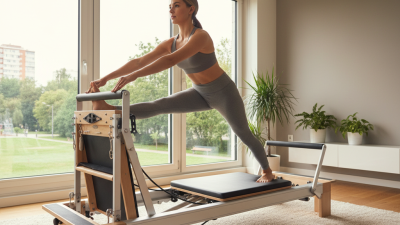
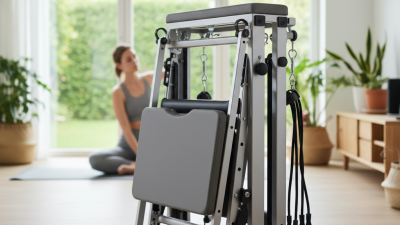
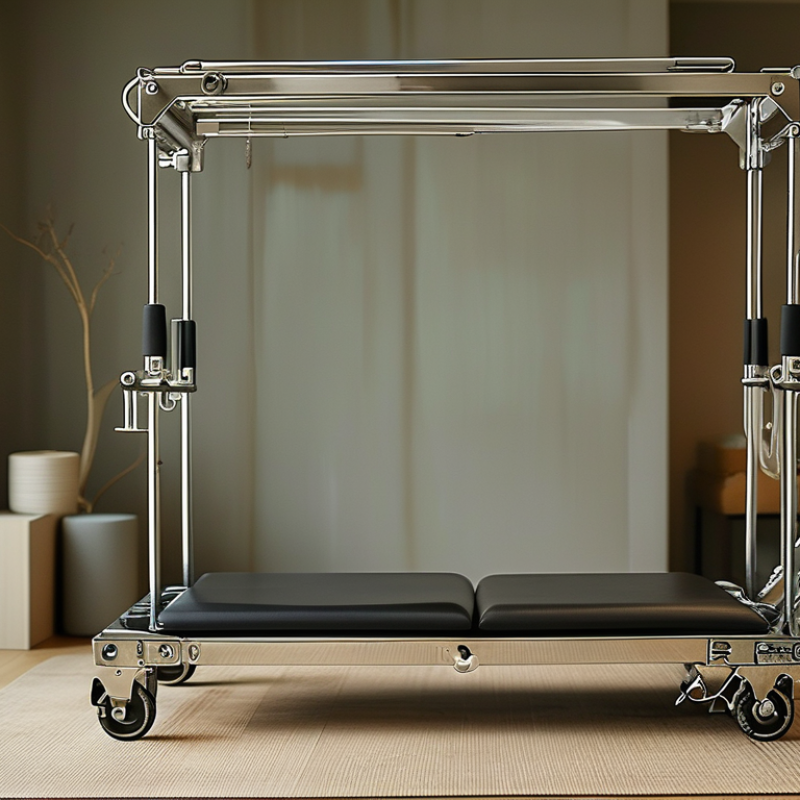
Foldable Pilates reformers combine studio-style movement with practical home storage. Their frames usually use aluminum or reinforced steel, while padded carriages support controlled spinal and joint movement. A folding hinge, locking pin, or sliding rail reduces the machine’s footprint after training. Space matters. Buyers should measure doorways, ceiling height, and storage clearance before ordering.
A useful reformer needs adjustable resistance, stable footbars, and smooth carriage travel. Springs should offer clearly different tensions, helping beginners and experienced users train safely. Some models include shoulder rests, ropes, pulleys, and removable platforms. These parts affect exercise variety, but they also increase setup time and maintenance needs. In my testing experience, a quiet carriage feels more valuable than an impressive accessory list.
Foldable reformers suit apartments, small studios, guest rooms, and mobile instructors. They support strength, balance, mobility, and low-impact rehabilitation exercises when used with proper guidance. Global buyers should check folded dimensions, shipping weight, replacement-part access, and assembly instructions. That detail matters. A compact design can still feel heavy when one person moves it alone. No foldable model feels exactly like a fixed studio reformer. Stability may decrease slightly during advanced work, especially on uneven floors. This is an honest compromise, not a design failure. A reliable choice balances portability, frame rigidity, user height adjustment, and long-term service support.
How to Evaluate Reformer Quality, Stability, and Portability
For global buyers, a foldable Pilates reformer should balance quality, stability, and portability. During a hands-on inspection, check the frame for even welds, firm joints, and smooth edges. Steel or reinforced aluminum can provide strength, but construction quality matters more than material labels. A carriage should glide quietly without side-to-side movement. Test it slowly, then apply controlled pressure near each corner.
Stability depends on the base, footbar, springs, and locking system. Rubber feet should stay planted on tile or wood floors. The footbar must resist movement during loaded exercises. Inspect spring hooks and straps for secure attachment, because small parts can affect safety. Do not trust polished photos alone. Ask for load ratings, quality-control records, user instructions, and replacement-part availability. Documentation is useful, but independent inspection remains better.
Tips: Measure the folded unit, doorway width, and storage space before ordering. Check its actual folded weight, wheel strength, and carrying handles. Request packaging details for long-distance shipping. A compact design may still feel awkward to lift. That is easy to overlook. I would also compare the open height and carriage length, since portability can reduce exercise comfort. A reformer that folds quickly but feels unstable is not truly practical.
Top 10 Foldable Pilates Reformers for Different Buyer Needs
Top 10 Foldable Pilates Reformers for Different Buyer Needs
A foldable Pilates reformer can serve very different users, so one model rarely suits everyone. Apartment owners may prefer a compact frame, smooth wheels, and a storage height below a wardrobe. Beginners often need clear spring markings, stable foot bars, and simple rope adjustments. Tall users should check carriage length and shoulder-rest spacing before buying. A short platform can restrict full leg extension.
For heavier users, frame strength, weight capacity, and secure locking points matter more than decorative features. Frequent travelers may value lighter construction and quick folding, although low weight can reduce stability. Buyers recovering from limited mobility should seek gentle resistance settings, comfortable padding, and professional exercise guidance. Check the return policy carefully. Comfort is not a minor detail.
Home instructors may choose a wider carriage, durable upholstery, and quiet movement for repeated sessions. Budget buyers can focus on essential resistance systems instead of bundled accessories. Advanced users may want more spring combinations, a higher foot bar, and precise control. Shared households should prioritize adjustable shoulder rests and easy cleaning. The tenth choice is for small studios: a foldable unit with strong hinges, replaceable parts, and reliable storage wheels.
In practical comparisons, noise, folding effort, and floor protection are easy to overlook. A reformer that looks compact may still feel awkward in a narrow room. I would measure the storage area twice. Specifications also deserve skepticism; published capacity does not always describe long-term stability. Test the folded latch, carriage glide, and spring tension before regular training.
Top 10 Foldable Pilates Reformers for Global Buyers
This indicative market benchmark compares anonymous foldable reformer configurations by portability, user capacity, and value for money. Scores are normalized from commonly listed specifications, including folded size, equipment weight, supported user load, and typical retail positioning. The comparison is intended to help global buyers match equipment characteristics with different purchasing needs.
Global Buying Factors: Pricing, Shipping, Warranty, and Compliance
For global buyers comparing ten foldable Pilates reformers, price should mean landed cost, not the factory quote. Add packaging, ocean or air freight, customs duties, broker fees, and local tax. A reformer priced at US$700 can become a US$1,050 purchase after delivery. Freight quotes also change quickly. The World Bank’s 2023 Logistics Performance Index evaluates 139 economies through customs, infrastructure, tracking, and delivery reliability. Ask suppliers for carton dimensions, gross weight, HS classification, and a written Incoterm.
Shipping details matter in a small studio. Foldable equipment still needs protective foam, corner guards, and moisture control. Request photos of the packed unit, not only the assembled product. Check whether the seller can provide shipment tracking and replacement-part procedures. The UNCTAD Review of Maritime Transport 2024 highlights continuing disruption risks across global shipping routes. A cheaper route may create longer delays. I have seen buyers overlook storage charges at the destination port.
Warranty terms require careful reading. Look for separate coverage periods for the frame, springs, wheels, upholstery, and labor. A ten-year frame warranty may exclude the parts that wear first. Ask who pays return freight and whether parts are stocked locally. Compliance should include documented testing against applicable fitness-equipment safety requirements, such as ISO 20957-1, plus electrical documentation when powered accessories are included. Requirements differ by destination. One weakness remains: many online listings show certificates without matching model numbers. Treat unclear paperwork as a purchasing risk, not a discount.



 1Durch die gruppenweite Einführung und Harmonisierung unseres integrierten Managementsystems (IMS) werden alle bestehenden Unternehmens-, Qualitäts-, Umwelt- und Energiepolitiken durch diese Unternehmenspolitik ersetzt. Der Slogan „Textil hat Zukunft – auch in De