What Is a Reformer Machine and How Does It Work?
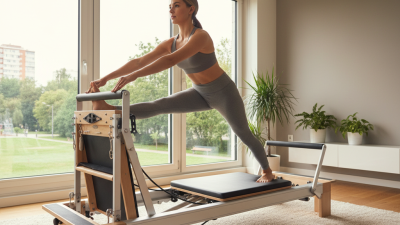
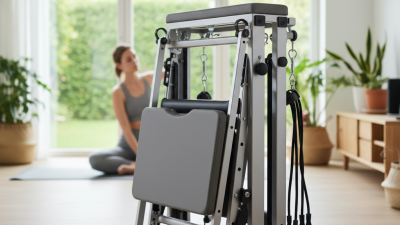
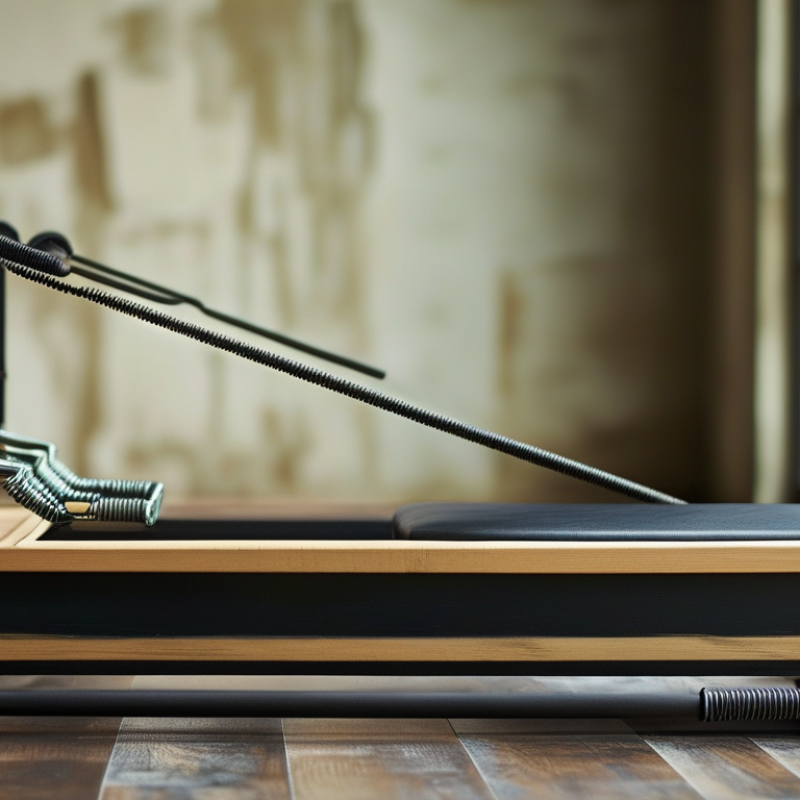
A Reformer is a Pilates machine designed to guide controlled movement, not simply increase exercise intensity. Its sliding carriage moves along rails, while springs create adjustable resistance. Straps, a footbar, and shoulder rests help support different exercises. The equipment can look intimidating at first.
In practice, the Reformer works through balanced tension and precise body positioning. Pressing the footbar moves the carriage, while the springs pull it back toward the frame. This repeated motion challenges the legs, core, arms, and posture. A heavier spring does not always mean a better workout. Sometimes, lighter resistance exposes poor control more clearly.
Small adjustments matter.
A qualified Pilates instructor can modify spring tension, range of motion, and foot placement for different abilities. Beginners may start with basic footwork, focusing on steady breathing and a neutral spine. People with injuries, pregnancy-related concerns, or medical conditions should seek appropriate professional advice before training. A machine cannot correct every movement error automatically.
Research and clinical practice suggest that Pilates may support strength, flexibility, balance, and body awareness when taught consistently. However, results vary between individuals, instructors, and programs. The Reformer is not a shortcut to fitness. It is a tool that rewards patience, attention, and gradual progression. Even experienced users can lose alignment when fatigue appears. That detail is easy to overlook. Understanding how the machine works makes each movement safer, clearer, and more purposeful.
What Is a Reformer Machine?
A reformer machine is a Pilates apparatus designed to support controlled, resistance-based movement. It has a sliding carriage, springs, ropes, straps, a footbar, and shoulder supports. The carriage moves along rails as you push or pull against adjustable spring tension. This setup can train the legs, arms, abdomen, back, and posture together.
Unlike ordinary weight machines, a reformer does not simply load one muscle. Its unstable carriage asks you to control direction, balance, and breathing at the same time. A lighter spring may challenge stability, while a heavier spring can support certain movements. Proper alignment matters. Keep your spine neutral, relax your shoulders, and move slowly enough to notice unnecessary tension. From practical coaching experience, beginners often focus on the moving carriage and forget their breathing. That mistake is common, but worth correcting.
Tips: Start with an instructor who can adjust the springs and footbar for your body. Use small movements before attempting advanced exercises. Stop if you feel sharp pain, numbness, or unusual joint pressure. The machine can feel smooth and forgiving, yet poor setup may still cause strain. One detail I continue to reconsider is spring choice: more resistance does not always mean better training. Your control, comfort, and movement quality should guide the adjustment.
How Does a Reformer Machine Work?
A reformer machine uses a sliding carriage, springs, straps, pulleys, and a footbar. The carriage moves along a rail beneath the user. Springs connect the carriage to the frame and provide adjustable resistance. When the springs stretch, resistance usually increases. The footbar supports the feet or hands during controlled pushing movements. Straps transfer force through the arms or legs. This setup allows both concentric and eccentric muscle work, often with less joint impact than floor exercises.
Movement feels different from ordinary strength training. The carriage may glide smoothly, then suddenly challenge balance. Small changes in foot position can alter knee and hip alignment. A slower return phase can increase muscular control.
That detail matters. Research published in the Journal of Clinical Medicine has reported improvements in balance, flexibility, and muscular endurance across several Pilates-based intervention studies. However, study methods varied, so the results should not be treated as universal.
The machine also supports broader exercise planning. The World Health Organization recommends 150 to 300 minutes of moderate aerobic activity weekly for adults. Reformer sessions can contribute to strength and mobility, but they may not replace aerobic training.
The Global Wellness Institute valued the global physical activity economy at about 1.1 trillion dollars in 2022. Its popularity reflects accessibility, though not every setting is equally safe.
A trained instructor should adjust spring tension, carriage range, and strap length. Technique is rarely perfect. That is normal. Progress depends on noticing small errors and correcting them.
What Exercises Can Be Performed on a Reformer?
A reformer is a sliding carriage, not a magic fitness box. Springs create adjustable resistance, while straps, a footbar, and shoulder rests guide movement. The 2024 Global Wellness Economy Monitor valued the global physical-activity economy at about $1.06 trillion in 2022. That figure shows strong demand, but market growth does not prove that every reformer exercise suits every body.
The session often begins with footwork. Your feet press the bar as the carriage glides quietly under your hips. This trains leg control and warms the ankles. Supine bridges add hip extension, while straps can challenge hamstring length and abdominal stability. Keep the ribs relaxed. Small details matter.
You can also perform the elephant, long stretch, kneeling arm work, side-lying leg movements, and the mermaid stretch. Each exercise changes when spring tension, tempo, or range changes. The American College of Sports Medicine recommends progressive resistance and controlled technique, principles that fit reformer training well. Yet a 2023 review of Pilates research noted varied methods and limited consistency across studies. That deserves honesty. Reformer work may improve control, balance, and muscular endurance, but it is not automatically harder or safer than mat training. In practice, beginners often move too far too soon. A qualified instructor should check shoulder position, spinal comfort, and spring selection before adding complexity.
What Are the Benefits and Safety Considerations?
A reformer machine uses a moving carriage, springs, straps, and a stable platform to create controlled resistance. The springs do not simply make exercise harder. They can support movement, reduce impact, or challenge balance. A trained instructor may adjust spring tension, foot-bar height, and exercise range for each participant.
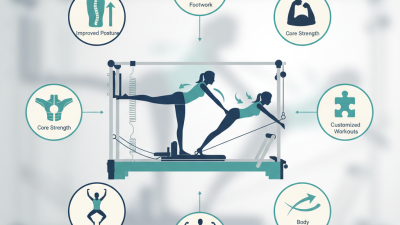
Regular reformer training can improve muscular endurance, posture, mobility, and body awareness. It may also support strength development without heavy joint loading. The World Health Organization’s 2020 guidelines recommend 150–300 minutes of moderate activity weekly, plus muscle-strengthening work on at least two days. Reformer sessions can contribute to that target, but they should not replace aerobic exercise completely. Evidence is promising, not perfect. Studies often use small groups and different training methods.
Safety depends on technique and supervision. Beginners should learn neutral spine positioning and controlled breathing before adding resistance. A sudden spring release can bruise fingers or strain a shoulder. Check the carriage, ropes, straps, and foot bar before every session. People with acute injuries, severe osteoporosis, uncontrolled blood pressure, or pregnancy-related concerns should seek medical advice first. Stop when pain feels sharp, spreading, or unusual. Mild muscle fatigue is expected; joint pain is not. Qualified instruction matters, although even good coaching cannot remove every risk. The American College of Sports Medicine also emphasizes gradual progression, proper technique, and individualized exercise selection in its resistance-training guidance.



 1Durch die gruppenweite Einführung und Harmonisierung unseres integrierten Managementsystems (IMS) werden alle bestehenden Unternehmens-, Qualitäts-, Umwelt- und Energiepolitiken durch diese Unternehmenspolitik ersetzt. Der Slogan „Textil hat Zukunft – auch in De