What is a Pilates Reformer Machine and How Does it Work?
The Pilates Reformer Machine is a vital tool in modern fitness and rehabilitation. It offers a unique approach to strength training and flexibility. Renowned Pilates expert, Dr. Melissa P. Rodriguez, once stated, "The Reformer allows for customized workouts that cater to individual needs." This versatility makes it appealing to a wide range of users.
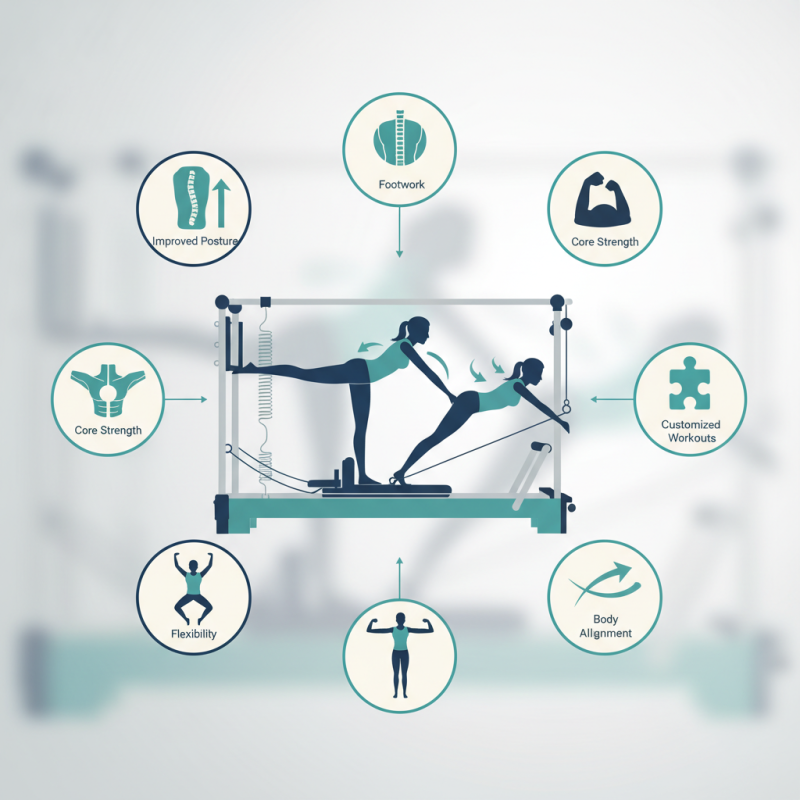
Using a Pilates Reformer Machine, practitioners can improve their posture and core strength. The machine's design incorporates springs and pulleys, creating resistance that enhances movements. Many find the learning curve challenging. However, the rewards are often worth the effort. Consistent use can lead to remarkable changes in body alignment and muscle tone.
While the benefits are apparent, some users may struggle to connect with the equipment initially. It's essential to approach the Reformer with patience and a willingness to learn. As individuals engage with the machine, they discover its true potential. Embracing this journey can lead to a profound understanding of one's body and physical capabilities.
What is a Pilates Reformer Machine?
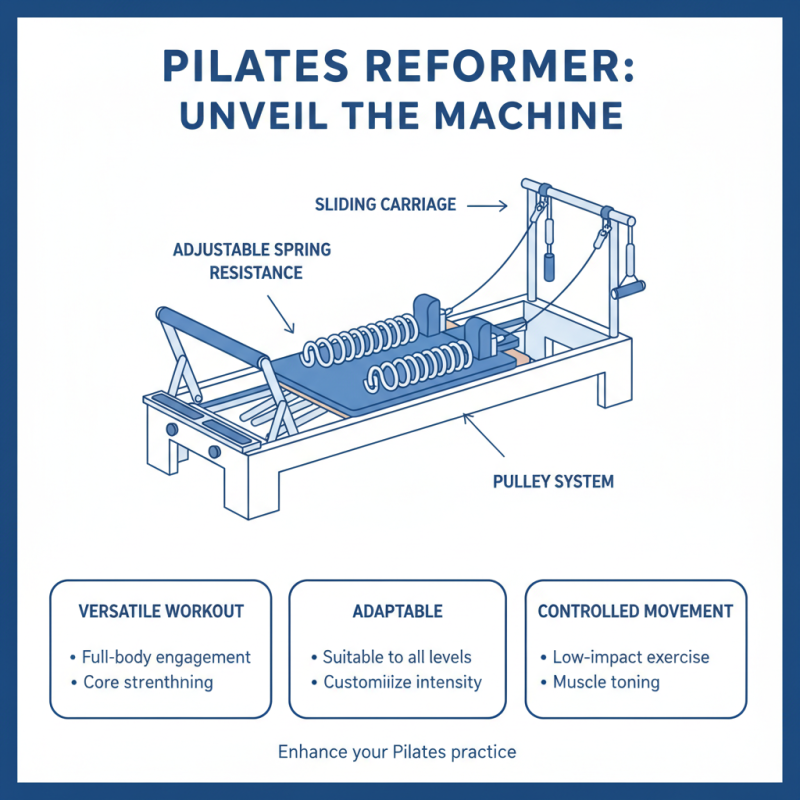
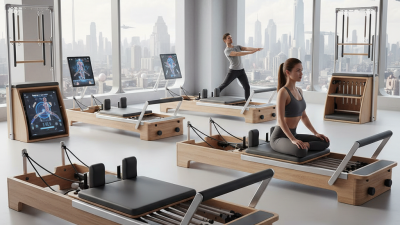
A Pilates Reformer machine is a versatile piece of equipment designed to enhance the Pilates practice. It consists of a bed-like platform that moves on a track. Springs provide resistance, which can be adjusted to meet individual needs. This adaptability allows users to engage muscles in a controlled manner, making workouts effective for both beginners and advanced practitioners.
In a typical session, clients lie on the Reformer and perform various exercises. The machine promotes proper alignment and stability. As you push and pull the platform, you engage your core and other muscle groups. Many find this experience rewarding, yet challenging. It’s common to struggle with certain movements initially. This reflects the need for patience and practice.
Working with a Reformer can lead to strong body awareness. Each session exposes areas of weakness and strength. It's a learning journey. With time, coordination and stability improve. However, it's important to remember that everyone progresses at their own pace. Embrace both the challenges and triumphs on this path. This machine truly fosters a deeper connection with your body.
Key Components of a Pilates Reformer Machine
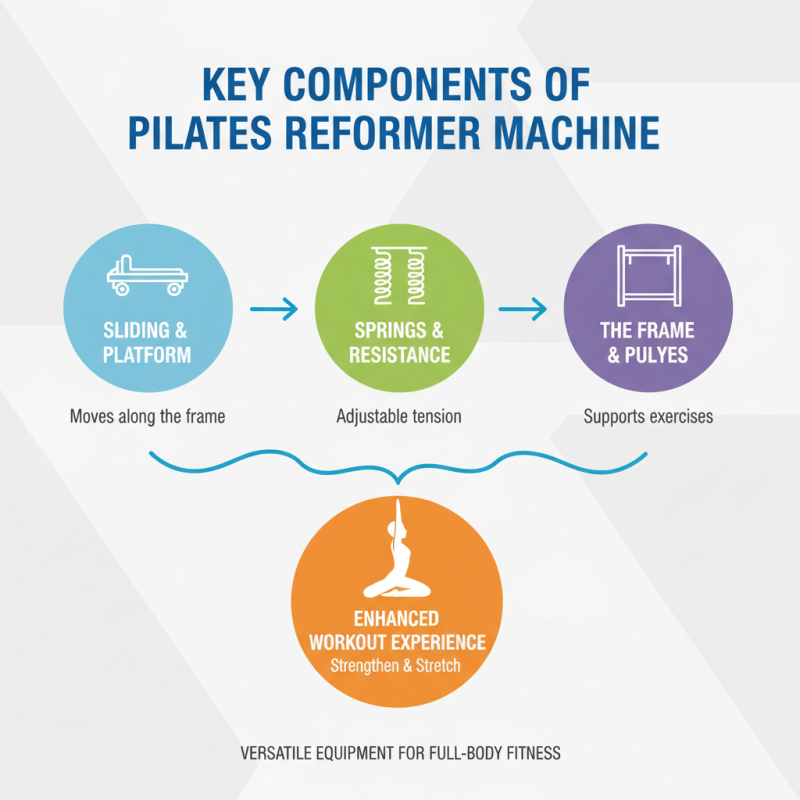
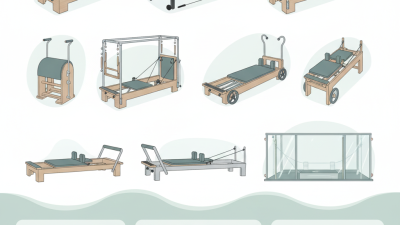
A Pilates reformer machine is a versatile piece of equipment. It consists of a sliding platform, springs, and adjustable resistance levels. The frame supports various exercises to strengthen and stretch the body. Each component works together to enhance your workout experience.
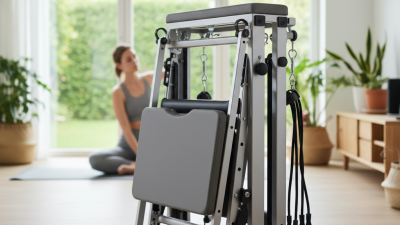
Key components include the carriage, which moves back and forth on the frame. The springs provide resistance and can be adjusted for different fitness levels. Straps and foot bars allow users to perform a wide range of exercises targeting various muscle groups. The design encourages proper alignment and controlled movements, crucial for an effective workout.
Tips: Start with lighter resistance. This helps you learn the fundamentals without risking injury. Pay attention to your body’s alignment during exercises. This mindfulness prevents strain and maximizes benefits. Remember, mastering the reformer takes time. Don’t rush your progress; embrace each step of the journey.
How the Pilates Reformer Works: Mechanics Explained
The Pilates Reformer is a versatile machine designed to enhance strength and flexibility. It operates on a system of springs, pulleys, and a sliding carriage. When you pull or push the carriage, the resistance provides a unique workout. According to the Pilates Method Alliance, around 90% of users report increased core strength as a key benefit.
When using the Reformer, you can perform various exercises. The adjustable springs create different levels of resistance tailored to individual needs. A study published in the Journal of Exercise Science found that participants improved their pelvic stability by 30% after eight weeks of Reformer training. This indicates the machine's effectiveness in developing critical muscle control.
Still, it’s essential to have qualified instruction. Without proper guidance, users may engage in incorrect movements. This can lead to injuries, reducing the training's overall effectiveness. Effective training requires understanding one's limits and gradually increasing intensity. Over time, this machine can significantly enhance your fitness journey.
Benefits of Using a Pilates Reformer for Fitness
Pilates reformer machines have gained popularity in recent years due to their versatility and effectiveness. Research by the Pilates Method Alliance indicates that 70% of practitioners report improved core strength and flexibility after consistent use. These machines create resistance through springs, allowing for a range of movements that can be tailored to individual fitness levels.
Using a reformer allows for greater control over movements, promoting mindfulness and body awareness. This is particularly beneficial for those recovering from injuries. A study in the Journal of Orthopaedic & Sports Physical Therapy found that practicing on a reformer can enhance rehabilitation outcomes, improving recovery times significantly. Participants noted increased stability and reduced pain in their daily activities.
However, some may find the machine intimidating or challenging at first. It requires proper instruction to avoid injury. Beginners should consider starting with a qualified instructor to ensure they understand the mechanics. Despite its learning curve, many still choose reformers for their low-impact nature and effectiveness. Incorporating reformer workouts into your routine may yield impressive results over time.
Tips for Getting Started with Pilates Reformer Exercises
Getting started with Pilates Reformer exercises can be both exciting and intimidating. A Reformer machine offers resistance training that helps improve strength, flexibility, and balance. Begin by familiarizing yourself with the machine. Adjust the straps and springs to fit your body type. Understanding these adjustments is crucial. If you are unsure, ask an instructor for assistance.
Start with basic exercises like footwork or the hundred. These movements help you build a strong foundation. Focus on your breath and body alignment. Listen to your body; it will tell you when you need to ease up. Not all movements will feel comfortable at first. It’s okay to struggle. Reflect on your form and control during each exercise. This feedback is vital for your progress.
Consistency is key in your practice. Aim for a few sessions each week. Over time, you’ll notice improvements in your strength and coordination. Remember to celebrate small victories along the way. Each session is a step toward mastering the Reformer. Embrace both the challenges and successes. It’s all part of the journey in Pilates.
Usage of Pilates Reformer Exercises Over One Month



 1Durch die gruppenweite Einführung und Harmonisierung unseres integrierten Managementsystems (IMS) werden alle bestehenden Unternehmens-, Qualitäts-, Umwelt- und Energiepolitiken durch diese Unternehmenspolitik ersetzt. Der Slogan „Textil hat Zukunft – auch in De