2026 Top Pilates Reformer Trends You Need to Know?
As we approach 2026, the Pilates Reformer continues to evolve. This versatile piece of equipment has transformed how we approach fitness and well-being. With an ever-growing community of enthusiasts, understanding the latest trends is essential.
In recent years, the Pilates Reformer has gained immense popularity. It provides a unique balance of strength and flexibility training. More studios are integrating innovative techniques and styles. Practitioners are exploring new ways to maximize their workout.
However, not all trends are beneficial. Some fads may lead to injury or frustration. It’s crucial to stay informed and make choices that support your body’s needs. As trends emerge, keep an open yet critical mind. This journey with the Pilates Reformer is about personal growth and improvement, not just following the crowd.
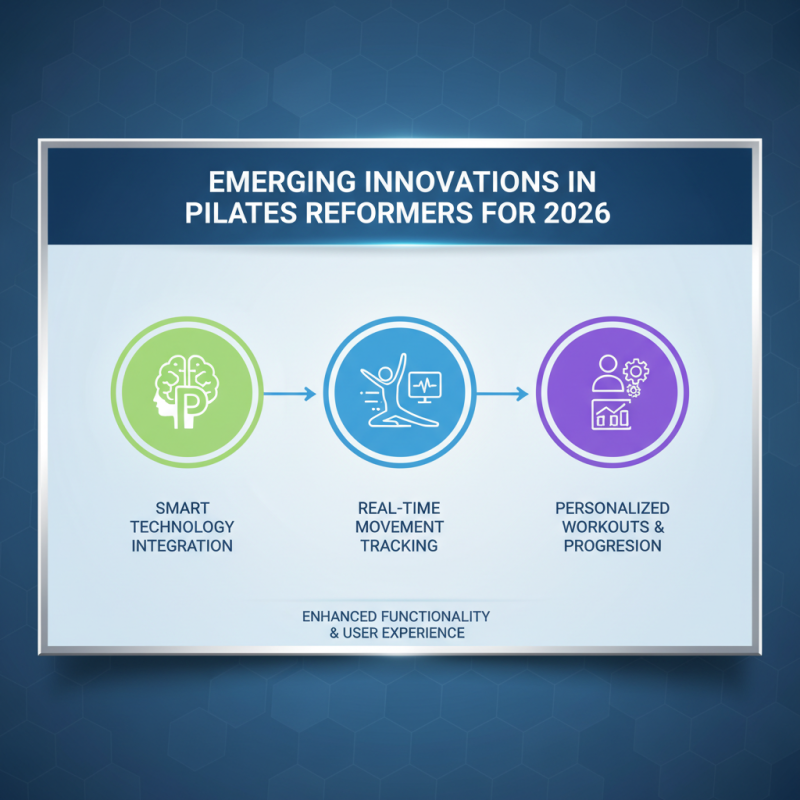
Emerging Innovations in Pilates Reformers for 2026
The world of Pilates reformers is evolving rapidly. In 2026, we expect to see significant advancements that enhance functionality and user experience. One innovation is the incorporation of smart technology. These new systems will track users' movements and progress in real-time. This feedback can personalize workouts, making sessions more effective.
Another emerging trend is sustainability. Manufacturers are exploring eco-friendly materials. Pilates reformers will likely feature components made from recycled materials. This shift not only reduces environmental impact but also resonates with the growing consumer demand for sustainable fitness solutions.
As we embrace these new innovations, there are challenges to consider. New technology can be intimidating for some users. Adaptation may take time and create a learning curve. It's crucial for studios to provide adequate training. Additionally, while sustainability is essential, sourcing materials responsibly can be complex. Each improvement brings new questions. The future of Pilates reformers is bright, but it requires thoughtful implementation.
Key Features Enhancing User Experience in 2026 Pilates Reformers
In 2026, the Pilates reformer market is evolving rapidly. Key features enhancing user experience focus on customization and technology integration. Reports indicate that 70% of practitioners prefer equipment tailored to their unique fitness goals. This trend reflects a shift towards more personalized workouts.
Smart technology is making waves in Pilates reformers. Devices now include feedback systems, tracking metrics like heart rate and calories burned. Analysis from the Pilates Association shows that 65% of users find this feedback crucial for motivation. This data highlights a growing awareness of fitness metrics among participants.
Despite these advancements, some users feel overwhelmed. With so much data, it's tough to focus solely on movement quality. Educating users on balancing technology and practice is essential. Refining this blend may enhance overall performance in the long run. Users must also remain mindful of their bodies, listening to cues beyond the machine's metrics.
2026 Top Pilates Reformer Trends
Sustainability Trends Impacting Pilates Reformer Manufacturing
The Pilates reformer industry is witnessing significant shifts toward sustainability. Manufacturers are re-evaluating their production processes and sourcing materials ethically. Eco-friendly materials, such as bamboo and recycled plastics, are gaining traction. These choices not only benefit the environment but also resonate with conscious consumers.
Some companies are exploring innovative designs that minimize waste. This approach is not always easy. Balancing aesthetics, performance, and sustainability can create challenges. Yet, the commitment to reduce carbon footprints is evident.
Furthermore, a focus on local manufacturing is emerging. This strategy can enhance product quality and support local economies. While beneficial, it often raises production costs. Brands must find ways to address this dilemma without compromising sustainability goals. It's a complex journey, but the efforts demonstrate a growing awareness of environmental responsibilities in the fitness industry.
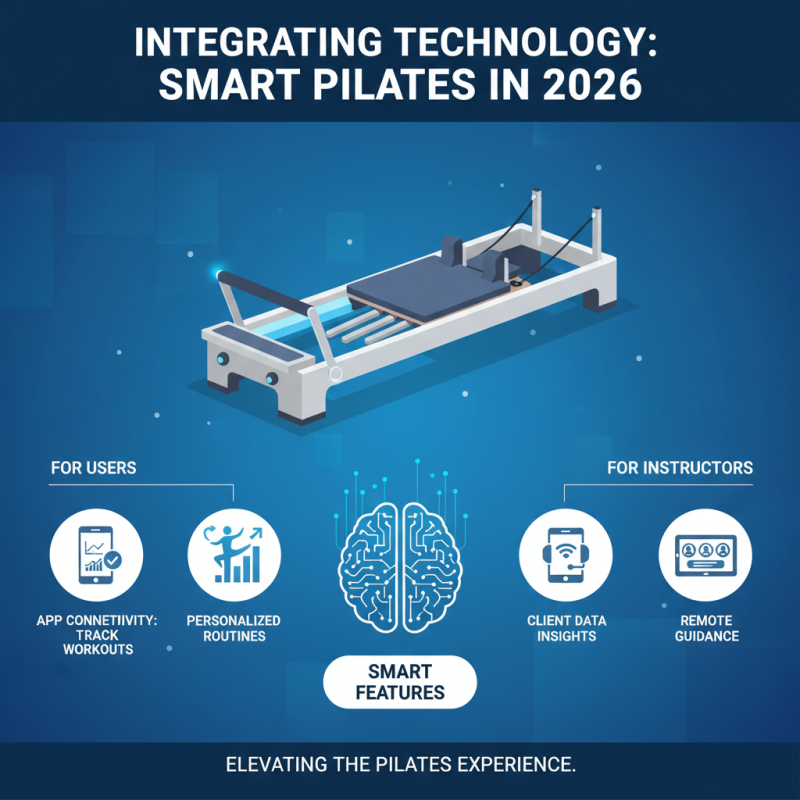
Integrating Technology: Smart Features in 2026 Pilates Equipment
In 2026, the Pilates reformer landscape is evolving through the integration of technology. Smart features are becoming essential in Pilates equipment. These innovations offer a range of benefits for both instructors and practitioners. One notable trend is the incorporation of app connectivity. Users can track their workouts and progress easily, guiding personalized routines.
Another emerging feature is the use of real-time feedback systems. These systems can analyze movements and provide instant adjustments. This allows users to refine their techniques effectively. However, reliance on technology might lead to diminished focus on traditional practice. While smart tools enhance training, they should not replace the connection with the body.
Moreover, while advanced sensors and virtual coaching can improve sessions, they may introduce distractions. It’s important to balance tech use with mindful engagement. Practitioners might feel overwhelmed by constant data. Finding harmony between these innovations and the core principles of Pilates remains crucial. Embracing technology should enhance, not overshadow, the essence of the practice.
Popular Pilates Reformers Designs Set to Dominate the Market
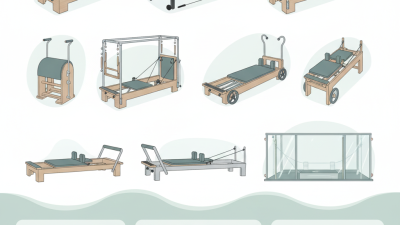
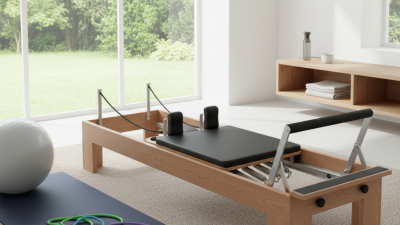
The Pilates reformer market is witnessing exciting designs in 2026. Consumers are looking for innovative styles that enhance their workout experience. Sleek, minimalist designs are gaining popularity, offering a modern touch to traditional Pilates. These reforms are not just about aesthetics; functionality is crucial. Many are incorporating versatile features that cater to varying skill levels.
In addition to looks, durability is key. Consumers prefer materials that withstand rigorous use. Eco-friendly options are also trending, appealing to environmentally conscious users. Traditional wood frames are being reimagined with sustainable materials, offering sustainability without compromising quality.
Another emerging trend is the integration of technology. Some reformers are equipped with tracking devices that monitor performance. This feature promotes accountability but raises questions about privacy. While advancements elevate the workout experience, they may sometimes detract from the human element of Pilates. Balancing innovation with personal connection is a challenge the industry must navigate.
2026 Top Pilates Reformer Trends You Need to Know
| Trend |
Description |
Target Audience |
Price Range |
| Smart Reformers |
Integrating technology for feedback and personalized workouts. |
Tech-savvy fitness enthusiasts |
$2,000 - $4,000 |
| Eco-friendly Designs |
Made from sustainable materials aiming for less environmental impact. |
Environmentally conscious consumers |
$1,500 - $3,000 |
| Compact Reformers |
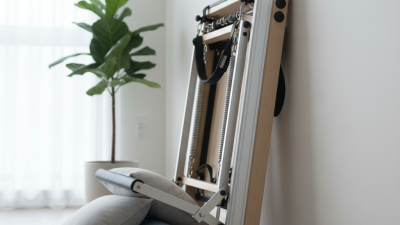
Space-saving designs ideal for home use. |
Urban dwellers with limited space |
$800 - $1,500 |
| Multi-Functional Reformers |
Reformers that combine multiple equipment functionalities. |
Comprehensive fitness seekers |
$2,500 - $5,000 |
| Customizable Reformers |
Allow users to personalize their reformer setup depending on their needs. |
Personal trainers and studios |
$1,500 - $3,500 |



 1Durch die gruppenweite Einführung und Harmonisierung unseres integrierten Managementsystems (IMS) werden alle bestehenden Unternehmens-, Qualitäts-, Umwelt- und Energiepolitiken durch diese Unternehmenspolitik ersetzt. Der Slogan „Textil hat Zukunft – auch in De