How to Choose the Best Reformer for Your Pilates Practice?
Choosing the right Reformer can significantly enhance your Pilates experience. Renowned Pilates expert, Sarah Davis, once said, "The right equipment can elevate your practice." This sentiment rings true for many practitioners. A good Reformer should match your fitness level and personal preferences.
Consider the type of Reformer you need. There are various models, each offering unique features. For example, some have adjustable springs for resistance, while others focus on portability. It’s essential to evaluate what aspects are most important to you. You may find that the model you thought was perfect doesn’t quite meet your expectations.
Lastly, always test a Reformer before purchasing. Many studios offer the opportunity to try different machines. This step can save you from a costly regret later. Reflecting on your needs will lead to better choices. A well-chosen Reformer can truly transform your Pilates journey.
Understanding the Different Types of Pilates Reformers Available Today
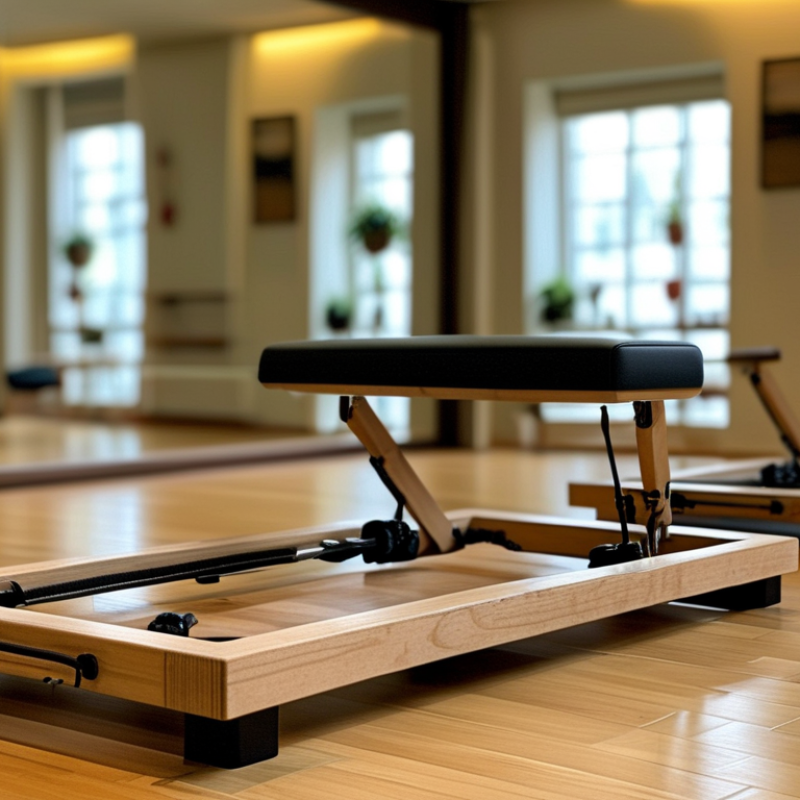
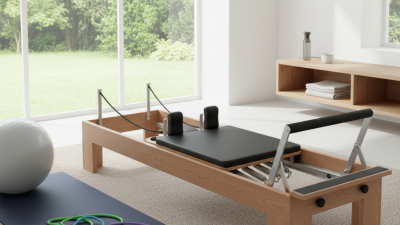
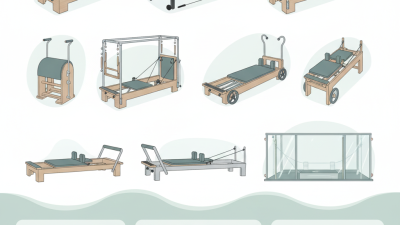
When choosing a Pilates reformer, it’s essential to understand the types available. There are three main categories: studio, home, and portable reformers. Studio reformers are typically larger and offer more features. They provide a robust experience and are suitable for advanced practices. Home reformers are smaller and intended for personal use. They may lack some advanced features but are convenient for everyday workouts. Portable reformers are lightweight and perfect for travel or limited space.
Consider the features that matter most to you. Adjustable spring settings are crucial for customizing resistance. A padded platform increases comfort during exercises. Look for models with a wide range of accessories, such as foot straps and handles, which enhance versatility. Pay attention to the frame’s stability. A sturdy reformer ensures safety and effective workouts.
Tips: Test different models before making a purchase. Visit local studios or gyms to experience various reformers firsthand. Check online reviews to gauge user satisfaction. If budget allows, invest in a quality reformer. Cheaper models might compromise durability. Remember, your choice should align with your fitness goals and space. It’s worth reflecting on what you really need versus what might be nice to have.
How to Choose the Best Reformer for Your Pilates Practice?
| Type of Reformer |
Features |
Best For |
Price Range |
| Standard Reformer |
Basic design, adjustable springs, and footbar |
Beginners and general use |
$800 - $1,200 |
| Cadillac Reformer |
Includes vertical frame, various attachments, allows for diverse exercises |
Advanced practitioners and rehabilitation |
$2,000 - $3,500 |
| Wall Unit Reformer |
Space-saving design, mounted on the wall |
Home users with limited space |
$1,000 - $1,500 |
| Portable Reformer |
Lightweight, foldable, easy to transport |
Travel and studio access |
$500 - $800 |
| Hybrid Reformer |
Combines features from different reformers, versatile |
Diverse workout preferences |
$1,200 - $2,000 |
Key Features to Consider When Selecting a Reformer for Your Practice
Choosing the right reformer for your Pilates practice can significantly impact your experience and results. Consider the frame material. A sturdy frame provides stability, which is crucial for safety. Many practitioners prefer wood for its durability and aesthetic appeal, while aluminum options are often lighter and more portable. According to industry reports, a stable reformer reduces the risk of injuries, which occurs in about 20% of beginner practitioners due to inadequate equipment.
Look into the type of springs as well. The resistance levels they offer develop strength and control. Reformers with adjustable springs provide flexibility to challenge different fitness levels. For instance, a recent study indicated that users who varied their resistance reported improved muscle engagement by 40%. Think about the carriage size, too. A larger carriage allows for more movements, while a compact option is easier for home use. This choice can affect your ability to perform specific exercises.
Finally, accessories play a vital role. Foot straps, shoulder pads, and jump boards can enhance your practice. However, too many attachments can be overwhelming for beginners. Strive for a balance. Assess your needs and skill level, and remember, even the best equipment won’t substitute for proper form and technique. Inconsistent practice and equipment misuse can lead to ineffective workouts.
Evaluating the Size and Space Requirements for Reformer Usage
When evaluating the size and space requirements for your Pilates reformer, consider the dimensions of your workout area. A standard reformer is about 7 feet long and 2 feet wide. Ensure you have additional space for movement. You’ll need at least 2-3 feet on each side for safe transitions.
Think about the height of your ceiling. You don’t want to feel cramped during your exercises. A room with higher ceilings allows for exercises that require lifting your legs or arms without obstruction. Also, consider your flooring. Reformers may need a stable, flat surface to prevent any movement during use.
Reflect on how often you plan to use the reformer. If it will be a central part of your routine, a dedicated space is worth the investment. If space is limited, look for a reformer that is easy to store. Some models are foldable or have wheels, making them more adaptable. Be open to adjusting your layout. Sometimes, small changes can make a big difference in your practice.
Analyzing Cost vs. Quality: Investing in a Reformer for Longevity
Choosing a reformer for your Pilates practice is no small task. Investing in quality can lead to longevity, both for the equipment and your experience. A high-quality reformer offers superior materials and construction, enhancing your workout. Affordable options may seem tempting but often compromise stability. Think about your fitness goals. A sturdy reformer can support intense training without risk.
Consider additional costs beyond the initial purchase. Maintenance and repairs can add up over time. Cheaper models might require frequent replacements. Each reformer has its own set of features. Adjustable springs and padded beds enhance comfort and usability. Reflect on your personal preferences. Are you seeking a versatile machine or a minimalist design? Your choice should align with your Pilates journey.
It's essential to balance cost and quality. Sometimes, spending slightly more could yield better results. Research the materials used in construction. Some reformers feature wood, while others utilize metal. The feel and durability can significantly affect your practice. Connect with experienced practitioners or instructors. They can provide valuable insights. Their expertise may guide you in making a wise investment.
Choosing Additional Accessories and Customizations for Optimal Practice
Choosing the right accessories for your Pilates reformer can significantly enhance your practice. Options like straps, pulleys, and springs help tailor the experience to your needs. For example, adjusting the spring tension alters the resistance. This minor change can impact your workout intensity. Enthusiasts sometimes overlook this. They stick with default settings. Experimenting with different accessories may reveal a new level of comfort.
Customizations also play a vital role. Consider adding a footbar for additional support. This can facilitate a better alignment in various movements. Some reformers allow a cushioned surface. This option helps protect the joints during intense sessions. Yet, not every accessory suits every practitioner. New users might feel overwhelmed by choices. It's crucial to focus on personal goals and body awareness. Mapping out a clear plan can guide your decisions. Reflecting on prior sessions can also provide insights.
Finally, the community can be a valuable resource. Connecting with instructors or joining forums provides diverse perspectives. Sharing experiences can lead to improved choices. Remember, what works for one may not work for another. Prioritize your needs and be open to exploring different setups. Embrace the journey of finding what enhances your Pilates practice.



 1Durch die gruppenweite Einführung und Harmonisierung unseres integrierten Managementsystems (IMS) werden alle bestehenden Unternehmens-, Qualitäts-, Umwelt- und Energiepolitiken durch diese Unternehmenspolitik ersetzt. Der Slogan „Textil hat Zukunft – auch in De