How to Choose the Best Pilates Equipment for Your Home Workout?
Choosing the right Pilates equipment for your home workout can be overwhelming. Many options exist, but not all are suitable for everyone. According to Pilates expert Alycea Ungaro, "The right equipment can transform your practice." She emphasizes that understanding personal needs is crucial.
Selecting Pilates equipment involves considering your space and fitness goals. A reformer might be ideal for versatility, while resistance bands are perfect for smaller areas. Quality matters; investing in durable items often ensures better performance. However, it's essential to remember that no single piece of equipment is perfect for all. Each individual's experience will differ.
Take time to reflect on your journey. Your choice should enhance your practice, not complicate it. Listen to your body and choose what feels right. By carefully evaluating your needs, you can optimize your home Pilates experience. Selecting the best Pilates equipment is a personal journey that requires thought and intention.
Benefits of Investing in Quality Pilates Equipment for Home Workouts
Investing in quality Pilates equipment for home workouts can greatly enhance your fitness experience. Versatile tools like reformers and stability balls offer various ways to engage muscles. These items help in achieving proper form, which is crucial for preventing injuries. Quality equipment also tends to last longer, reducing the need for frequent replacements. Even though high-quality gear may seem pricey, it often pays off in the long run.
One common mistake is opting for cheaper options that may not provide adequate support. This can lead to poor alignment and frustration during workouts. Selecting reliable equipment allows for better range of motion and increased effectiveness. Additionally, using suitable gear boosts motivation. A well-equipped home workout space feels more inviting. However, it is essential to reassess your needs. Regularly check if your equipment matches your growing fitness journey.
Investing wisely in Pilates tools can lead to significant benefits. Quality equipment fosters a safe, enjoyable environment for workouts. When chosen thoughtfully, these tools support personalized fitness goals. Remember, the focus should be on your body’s capabilities. Regular reflection on your practices ensures you make the most of your home workouts.
How to Choose the Best Pilates Equipment for Your Home Workout?
Investing in quality Pilates equipment enhances your home workout experience, providing better support and effectiveness. The chart above illustrates the estimated costs for essential Pilates equipment, helping you make informed decisions.
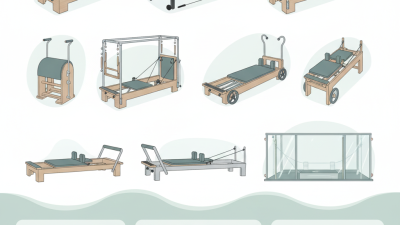
Understanding Different Types of Pilates Equipment: Reformers, Mats, and More
Choosing Pilates equipment for your home workout can feel overwhelming. Understanding the different types available will help you make informed decisions. The most popular equipment includes reformers and mats. Each serves a unique purpose and benefits various fitness levels.
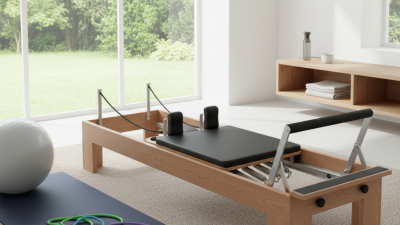
Reformers are versatile, allowing for a range of exercises. They provide resistance through springs, which can enhance strength and flexibility. However, they can be bulky and costly. If space is limited, consider investing in a high-quality mat. Mats are portable and perfect for beginners. They enhance stability and comfort during floor workouts.
Other equipment options include resistance bands and balances balls. These tools are excellent for adding variety to your routine. While they are affordable and easy to store, they might not offer the same resistance as a reformer. It's important to reflect on your fitness goals and available space before deciding. Balancing quality with your needs will lead to a rewarding workout experience.
Key Features to Look for in Home Pilates Equipment: Durability and Safety
When choosing Pilates equipment for your home workout, durability is crucial. You want items that can withstand regular use without breaking down.
High-quality materials often indicate longer-lasting products. Look for equipment that has solid construction and appropriate weight ratings. This ensures it can support your workouts safely and effectively.
Safety features are equally important. Check for non-slip surfaces on mats and grips on equipment. Safety straps should be included with reformers or reformer-like equipment.
This prevents injuries during intense sessions. Each piece should feel stable and secure when in use. If it wobbles, you may need to reconsider your choice.
Don’t forget to consider your space. Some equipment may be bulkier than you expect. Measure your area carefully. You want enough room for movement, yet you need to store the equipment easily.
Think about how often you will use each piece. Choosing items that match your workout frequency can lead to better investment.
Budget Considerations: Balancing Quality and Cost for Your Pilates Setup
When choosing Pilates equipment, budget plays a crucial role. A report from the
Global Pilates Equipment Market predicts growth due to increased demand.
However, balancing quality and cost is essential. Many home practitioners face the
dilemma of sacrificing durability for lower prices. Research indicates that investing in reliable equipment can
enhance workout effectiveness and lifespan.
When setting a budget, consider your fitness goals. Quality reformers can range from $300 to over
$1000. Decide what you need for your specific workouts. Don’t overlook
smaller tools like resistance bands or yoga mats. They are cost-effective and
versatile. A detailed comparison of materials can reveal why some items are pricier.
Tips: Look for second-hand options. Many high-quality items are
available at reduced prices. Also, check warranty offers; they can save money
long-term. Keep in mind, exercise quality often outweighs quantity. A well-chosen piece of equipment contributes
more to progress than an assortment of lower-quality items. Don't rush the decision; take time to research
and reflect on what truly meets your needs.
Space Requirements: Optimizing Your Home Environment for Pilates Practice
Creating a space for Pilates at home requires careful planning. The first step is measuring your available area. Ideally, you need at least 12 feet by 12 feet for a comprehensive setup. However, many studies suggest that a smaller space can still suffice with proper organization. Each piece of equipment takes up space, so understanding dimensions is crucial.
Consider the equipment you’ll use. A mat needs about 6 feet by 2 feet of space. If you incorporate a reformer, ensure you can extend it fully. According to a recent report by the Pilates Method Alliance, 68% of practitioners find space constraints limit their practice quality. Comfort is key for focus during workouts.
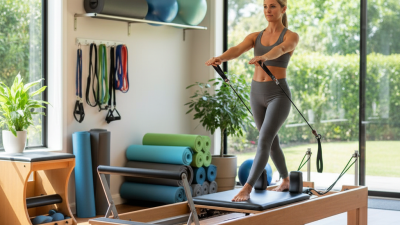
Avoid clutter around your equipment. This clutter can create distractions, reducing your motivation. Organizing tools like shelves or hooks can resolve this. 45% of users reported that a tidy environment improved their Pilates experience significantly. Reflect on what motivates you and design your area to inspire your practice. An ideal space balances functionality and comfort, ensuring a consistent workout routine.



 1Durch die gruppenweite Einführung und Harmonisierung unseres integrierten Managementsystems (IMS) werden alle bestehenden Unternehmens-, Qualitäts-, Umwelt- und Energiepolitiken durch diese Unternehmenspolitik ersetzt. Der Slogan „Textil hat Zukunft – auch in De