Choosing a Pilates Reformer Machine in 2026 requires more than comparing prices and glossy specifications. A reformer should match your training goals, available space, maintenance capacity, and expected user volume. Home users may prioritize quiet wheels, compact storage, and adjustable resistance. Studios need stronger frames, replaceable upholstery, smooth carriage travel, and dependable warranties.
Industry data supports careful evaluation. Grand View Research’s Pilates and Yoga Studios Market report identifies wellness participation and boutique fitness growth as important demand drivers. The report also notes expanding interest in structured, low-impact exercise. Meanwhile, Research and Markets’ Pilates equipment analyses point to rising purchases from studios, rehabilitation providers, hotels, and home users. Figures vary between reports. Their definitions also differ, especially when private and commercial equipment sales are combined. That limitation matters.
Joseph Pilates wrote, “Physical fitness is the first requisite of happiness.” His principle remains useful, but modern equipment must meet modern safety expectations. Look closely at rope adjustment, spring labeling, footbar stability, shoulder-rest security, and cleaning access. Test the carriage beside a wall, not only inside a showroom. Small noises can become serious distractions during a full class.
A practical choice is rarely the most expensive model. It is the machine that remains stable, comfortable, serviceable, and suitable for repeated use. Some buyers overvalue extra accessories. I would question that habit. A beautiful reformer with weak after-sales support may become an expensive coat rack. Verify load limits, replacement-part availability, instructor feedback, and warranty terms before committing.
Start by defining why you want a reformer. Are you improving mobility, building strength, supporting rehabilitation, or teaching clients? Each goal requires different resistance options, carriage dimensions, and accessory support. A beginner may need smooth, adjustable springs and clear footbar positions. An experienced athlete may prefer stronger resistance and more precise adjustments. Write down your weekly training frequency. Your real routine matters more than ambitious plans.
I once chose equipment based mainly on appearance and saved space. The frame looked practical, but the shoulder rests felt narrow during longer workouts. It was not ideal. Measure your training area, including clearance around the machine. Consider whether you will fold, move, or share it. Reliable construction supports consistent practice, but it cannot replace proper technique. A certified instructor can assess your movement patterns and suggest suitable spring resistance. Even experienced users should review their requirements occasionally, because goals and physical needs can change.
Choosing a Pilates reformer in 2026 starts with space, not appearance. ClassPass’s 2024 Look Back Report recorded a 66% year-on-year increase in Pilates bookings. Demand is growing, but a larger machine is not automatically better. Measure the equipment footprint, then add clearance for the carriage, footbar, and moving arms. A practical home setup often needs about 2.5 meters in length and 1.2 meters in width. Check the ceiling height if a tower attachment is included.
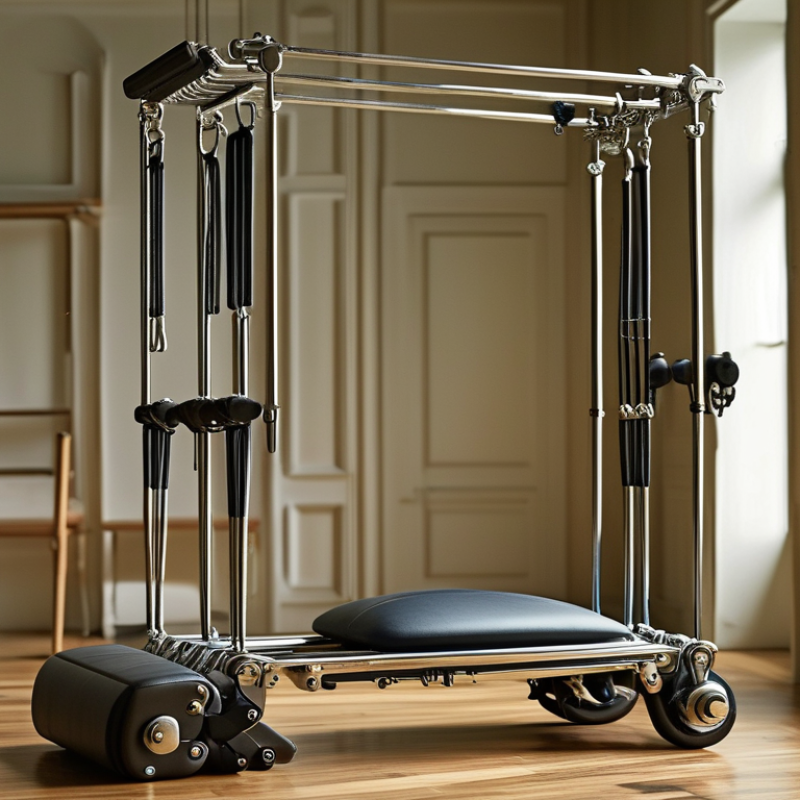
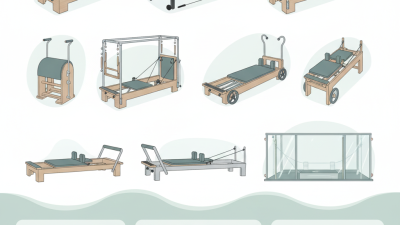
A traditional studio reformer suits frequent training and offers stable frames, adjustable springs, and smoother carriage travel. A folding reformer saves floor space, but its hinges and lighter frame may feel less rigid. A tower reformer adds vertical resistance and exercise variety, yet it needs wall clearance and careful installation. Look for clearly marked spring resistance, secure shoulder rests, a quiet carriage, and wheels for repositioning. Do not ignore user height and body weight. Small adjustments can change comfort significantly.
The Health & Fitness Association’s 2024 Global Report counted about 184 million health-club members worldwide in 2023. That figure supports continued equipment demand, but it does not prove every home needs commercial specifications. I once underestimated storage space around a reformer; the machine fit, but the room became awkward to use. Leave room for maintenance and safe movement. The perfect choice may be less impressive, and more usable.
| Reformer Type | Typical Overall Size (L × W × H) |
Recommended Room Area | Storage / Folding | Common Features | Best For | Main Considerations |
|---|---|---|---|---|---|---|
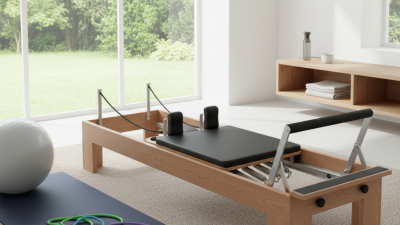
| Standard Studio Reformer | Approximately 240–260 × 60–70 × 35–45 cm | About 3.0 × 2.5 m per user, including movement clearance | Usually fixed; may be stored vertically only if the manufacturer permits it | Moving carriage, adjustable springs, footbar, shoulder rests, ropes or straps, headrest | Regular home practice, studios, rehabilitation and general fitness | Requires permanent floor space; verify carriage travel and user weight capacity |
| Half-Trapeze Reformer | Approximately 240–260 × 70–85 × 55–70 cm | About 3.0 × 2.7 m per user; allow extra height clearance | Generally fixed and heavier than a standard reformer | Reformer carriage plus a tower, vertical frame, springs, push-through bar and straps | Users who want more exercise variety, mobility work and supervised rehabilitation | Needs wall-side clearance and careful checking of frame height, bar movement and ceiling clearance |
| Full Trapeze Cadillac-Reformer Combination | Approximately 240–260 × 75–90 × 200–230 cm | About 3.2 × 3.0 m per user, with a ceiling commonly at least 2.4 m high | Normally permanent; assembly may require two or more people | Reformer, overhead frame, springs, bars, straps and multiple attachment points | Professional studios, physiotherapy settings and advanced movement training | Largest footprint and highest cost category; measure doorways, ceiling height and surrounding clearance |
| Foldable Home Reformer | Approximately 210–245 × 55–70 × 25–45 cm when open | About 2.8 × 2.3 m during use; less floor area when folded | Folds or uses wheels; folded size varies substantially by design | Compact frame, adjustable footbar, springs or resistance cords, transport wheels | Apartments and multipurpose rooms where the equipment must be moved after training | Check folded dimensions, lifting weight, wheel stability and whether folding is possible with accessories attached |
| Compact / Short Reformer | Approximately 180–220 × 55–70 × 30–45 cm | About 2.6 × 2.3 m per user, depending on carriage travel | Some models have wheels or vertical-storage capability | Shorter carriage path, adjustable spring resistance, compact footbar and shoulder rests | Smaller rooms and users prioritizing a reduced footprint | Shorter travel can limit long-leg exercises; compare carriage length with the user's height |
| Aluminum-Frame Reformer | Approximately 235–260 × 60–75 × 35–50 cm | About 3.0 × 2.5 m per user | Often easier to move than solid-wood designs; storage depends on frame construction | Lightweight rigid frame, smooth carriage, adjustable springs and removable components | Users who need a balance between portability, durability and studio-style performance | Confirm frame rigidity, noise level, corrosion protection and maximum user weight |
| Wood-Frame Reformer | Approximately 235–260 × 60–75 × 35–50 cm | About 3.0 × 2.5 m per user | Usually fixed; some designs support vertical storage with approved hardware | Rigid frame, spring resistance, footbar, ropes or straps, padded carriage and adjustable headrest | Permanent home gyms and studio environments where stability and appearance are important | Often heavier; inspect timber finish, joint quality, floor protection and moving-part maintenance |
How to Choose a Pilates Reformer Machine in 2026?
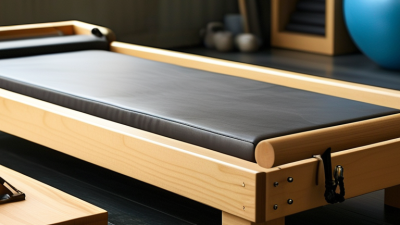
A reliable reformer begins with a rigid, well-finished frame. Check the joints, welds, and base for movement. A small wobble can become distracting during slow exercises. The carriage should glide smoothly, without scraping or sudden stops. Test it with your full body weight. I once focused too much on appearance and missed a loose footbar. That was a useful mistake.
Adjustability affects both comfort and training quality. Look for several footbar positions, secure shoulder rests, and a headrest with clear settings. Ropes should adjust evenly on both sides. Springs need distinct resistance levels and strong attachment points. These details help a beginner control movement and let an experienced user progress safely. Do not assume more settings always mean better design. Confusing adjustments can create errors.
Tips: Sit on the carriage before buying. Check whether your hips stay stable and your feet reach the bar naturally. Confirm the manufacturer’s stated weight capacity and required floor clearance. Inspect locking pins, straps, and spring clips for firm engagement. Keep moving parts away from loose clothing and children. Read the safety instructions, even if you have used reformers before. A quiet machine is not automatically a safe machine; regular inspection still matters.
This neutral evaluation framework assigns the greatest weight to frame quality, followed by adjustability and user safety. Check the frame for rigid construction and stable joints, verify that springs and carriage settings offer useful adjustment ranges, and confirm that shoulder rests, foot bars, ropes, and locking mechanisms can be used securely. Maintenance access is also important for long-term reliability.
Pilates demand is still influencing home equipment choices. ClassPass’s 2024 Look Back Report found that Pilates was the world’s most-booked workout for the second consecutive year. Bookings increased by 66%. That growth makes quality control more important, not less. Check the reformer’s carriage movement, shoulder-rest stability, rope adjustment, and footbar locking points. Accessories should include secure springs, a padded platform, adjustable straps, and a jump board only when it fits the frame. A useful accessory is a quiet, washable carriage cover. It protects the surface from sweat and dust.
Maintenance is simple, but it is not optional. Wipe rails after every session. Inspect ropes, springs, wheels, and stitching each month. Replace worn parts before resistance feels uneven. The Global Wellness Institute reported a 2023 wellness economy value of 6.3 trillion dollars, showing how quickly wellness products are entering everyday homes. Yet expensive equipment still needs practical care. I once focused too much on frame strength and ignored rope replacement costs. That was a mistake.
Warranty coverage needs closer reading than the headline suggests. Look for separate terms covering the frame, springs, wheels, upholstery, and labor. Confirm whether residential and commercial use receive different coverage. Ask who pays shipping for heavy replacement parts. Also check exclusions for rust, unauthorized repairs, and normal fabric wear. A five-year frame warranty may sound reassuring. It may cover very little. Keep invoices, maintenance records, and installation photographs. Documentation can make a valid claim easier, although warranty language is sometimes frustratingly vague.
Choosing a Pilates reformer in 2026 should begin with a realistic budget, not a wish list. Set aside money for the machine, delivery, assembly, and future maintenance. A basic home reformer may suit beginners, while frequent users may need stronger springs, stable rails, and wider adjustment options. Do not pay for features you will rarely use. I made that mistake once.
Measure your workout space carefully. Leave enough room to move around the carriage and extend your arms safely. Check the reformer’s weight, frame material, maximum user capacity, and warranty terms. Adjustable footbars and several spring strengths can support changing fitness goals. If you have knee, back, or shoulder concerns, ask a qualified Pilates instructor or healthcare professional before purchasing. Online reviews help, but they cannot replace testing the machine in person.
Tips: Compare at least three models within your budget. Sit, lie down, and test the carriage if possible. Listen for squeaking or uneven movement. Confirm replacement-part availability and delivery access. A cheaper reformer may become expensive when repairs are difficult. Also, consider your actual habits. If storage is limited, a foldable design may matter more than advanced accessories. Be honest about consistency; the most impressive machine is useless when it stays covered in dust.