Top 10 Benefits of Using a Pilates Bed for Your Workout?
The Pilates Bed is transforming the fitness landscape. According to the International Health, Racquet & Sportsclub Association (IHRSA), Pilates has seen a remarkable growth of 20% in popularity over the last five years. A well-designed Pilates Bed offers a unique blend of support and resistance, making workouts effective for users of all levels. Expert and Pilates instructor, Dr. Emily Roberts, highlights this, stating, "The Pilates Bed empowers individuals to achieve better alignment and strength."
The versatility of the Pilates Bed is one of its standout features. It can be used for rehabilitation, strength training, or flexibility improvement. Studies published in the Journal of Bodywork and Movement Therapies indicate that regular use can improve core stability by up to 30%. Such numbers are compelling for anyone dedicated to enhancing their physical fitness. However, there are challenges; not every workout may feel comfortable, and mastering techniques can take time.
With personalized adjustments available, the Pilates Bed encourages users to reflect on their own capabilities. While it promotes growth, it can also require patience and diligence. Understanding how best to integrate it into a routine can be tough, but the benefits can outweigh the learning curve. Each session on the Pilates Bed is an opportunity for progress, both physically and mentally.
Key Features of a Pilates Bed for Enhanced Workouts
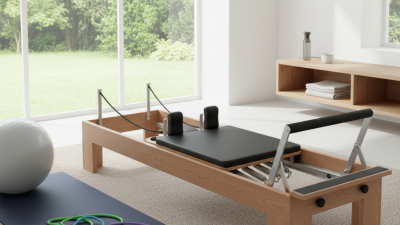
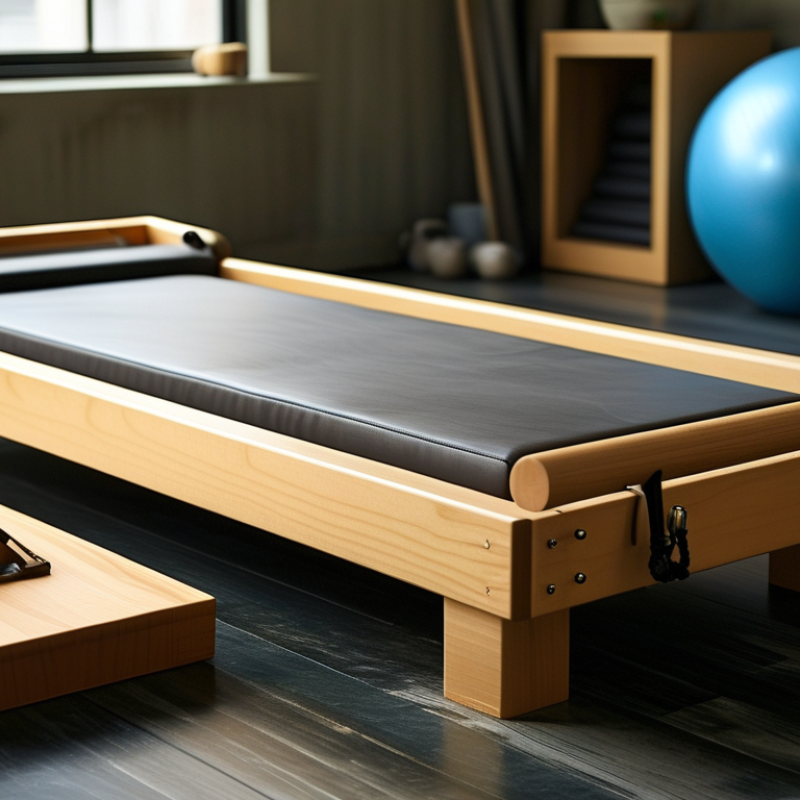
The Pilates bed, also known as a reformer, is a versatile piece of equipment that enhances workouts through its unique features. One of the key benefits is its adjustable resistance. Users can tailor their sessions to personal fitness levels. Research indicates that exercising on a reformer can increase overall strength by up to 30% when compared to mat Pilates. This adjustable nature allows for a diverse range of exercises, promoting muscle engagement and balance.
Another critical feature is the reformer's ability to support various positions. Whether standing, seated, or lying down, the bed's design allows for full-body workouts. A study published in the Journal of Sports Science has shown that using a reformer can improve core stability by over 25%. This stability is essential for daily activities and can reduce the risk of injury. However, not everyone finds the transition easy. Many beginners struggle to experience the intended benefits initially.
Finally, the versatility of a Pilates bed encourages better form and technique. The springs offer feedback, helping users maintain proper alignment. This aspect can be a game changer for those recovering from injuries. Nevertheless, it requires patience to master the movements. Adapting to this new routine can feel overwhelming initially. Everyone’s journey is different, and progress may take time, but the potential benefits are significant.
Improved Core Strength and Stability Through Pilates Bed Use
Using a Pilates bed can significantly enhance your core strength and stability. The design of a Pilates bed allows for varied movements that engage multiple muscle groups simultaneously. This versatility is vital in building a strong core. When using this equipment, you'll notice that exercises can be integrated into your routine, focusing on stability and control.
These workouts challenge your body in new ways. You may struggle at first with coordinating movements while maintaining proper alignment. This challenge is an opportunity for growth. Embrace the process of learning; it deepens your understanding of your body. Through consistent practice, you'll develop strength and confidence.
To maximize your results, start with controlled movements. Focus on your breath while engaging your core. Try to maintain a neutral spine throughout each exercise. Pay attention to your body’s feedback. If an exercise feels too difficult, adjust your position or reduce the intensity. Gradually increase your effort as your strength improves. Remember, progress may be slow, but consistency is key.
Top 10 Benefits of Using a Pilates Bed for Your Workout
| Benefit |
Description |
Impact Level (1-10) |
| Improved Core Strength |
Enhances the muscles in your core, leading to better stability and balance. |
9 |
| Enhanced Flexibility |
Stretches muscles and increases the range of motion in your joints. |
8 |
| Better Posture |
Promotes alignment and helps reduce back pain through improved spinal positioning. |
9 |
| Increased Body Awareness |
Encourages mindfulness and connection between mind and body during exercises. |
7 |
| Improved Coordination |
Helps you to move more efficiently and effectively, promoting overall athletic performance. |
8 |
| Rehabilitation Benefits |
Supports recovery from injuries with low-impact exercises. |
9 |
| Better Circulation |
Stimulates blood flow and enhances cardiovascular health. |
7 |
| Muscle Tone |
Strengthens and tones muscles without adding bulk. |
8 |
| Stress Relief |
Offers relaxation techniques that reduce stress and anxiety. |
8 |
| Versatility |
Can be used for a variety of workouts, accommodating different fitness levels. |
9 |
Enhanced Flexibility and Range of Motion with Pilates Equipment
Pilates equipment, especially the Pilates bed, significantly boosts flexibility and range of motion. Many practitioners report noticeable improvements after just a few sessions. This equipment promotes gentle stretching and controlled movements. By focusing on controlled breathing, users can deepen their stretches. With regular use, muscle tightness can diminish over time.
The Pilates bed allows for a variety of exercises targeting different muscle groups. Adjusting the bed's resistance can enhance your workout intensity. This adaptability is beneficial for people at all fitness levels. However, some may struggle initially with coordination. It can take time to master the movements. Patience is essential in this journey. Listening to your body and acknowledging limitations is key.
Enhanced flexibility not only supports physical health but also promotes mental well-being. The mindfulness aspect of Pilates can be calming. Practitioners often feel rejuvenated after a session. This synergy between mind and body creates a holistic workout experience. However, it’s crucial to approach it with an open mind and realistic expectations. Progress may come slowly, but it's worth the effort.
Top 10 Benefits of Using a Pilates Bed for Your Workout
Low-Impact Exercise Benefits of Using a Pilates Bed
Pilates beds offer unique low-impact exercise benefits, ideal for individuals at various fitness levels. Research indicates that low-impact workouts can significantly reduce the risk of injury. According to a study by the American College of Sports Medicine, low-impact exercises like those performed on a Pilates bed can improve endurance and strength while minimizing stress on joints. This is especially crucial for older adults and those recovering from injuries.
Using a Pilates bed helps enhance flexibility and muscle tone. Each movement engages multiple muscle groups without the jarring effects of high-impact workouts. The National Institutes of Health reported that consistent low-impact training can lead to improved balance and coordination. These skills are vital for daily activities and overall physical health.
The adjustable nature of Pilates beds allows for varied resistance levels. This adaptability caters to different fitness goals, whether increasing intensity or focusing on rehabilitation. However, some users may struggle with exercises initially. Patience and persistence are vital as progress may not be immediate. Listening to one's body is crucial for achieving lasting benefits while avoiding potential setbacks.
Increased Muscle Tone and Balanced Body Alignment from Pilates Training
Using a Pilates bed can significantly enhance muscle tone and promote balanced body alignment. According to a study published in the Journal of Physical Therapy Science, individuals who engaged in Pilates reported a 30% increase in core strength after just eight weeks of training. This improvement aids in achieving better overall posture and alignment, which is essential for daily activities and athletic performance.
When using a Pilates bed, focusing on controlled movements is key. This apparatus allows for precise adjustments, accommodating different body types and fitness levels. Engaging in exercises like the “footwork” or “short box series” can stretch and strengthen muscles systematically. A report from the American Council on Exercise emphasizes that Pilates can significantly improve flexibility, with participants experiencing up to 37% gains in flexibility over a 12-week program.
Incorporating mindful breathing during your workouts can enhance your experience. Effective breathing techniques, as highlighted in various Pilates resources, promote better muscle engagement and relaxation. Reflecting on your form during exercises is crucial. It helps identify areas needing improvement. This process of self-awareness fosters better alignment and muscle recruitment as you progress.



 1Durch die gruppenweite Einführung und Harmonisierung unseres integrierten Managementsystems (IMS) werden alle bestehenden Unternehmens-, Qualitäts-, Umwelt- und Energiepolitiken durch diese Unternehmenspolitik ersetzt. Der Slogan „Textil hat Zukunft – auch in De