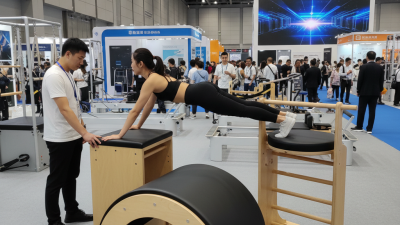
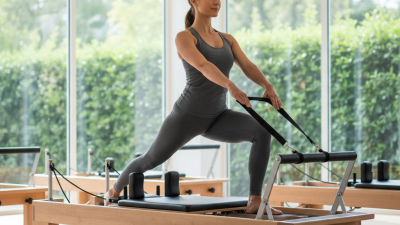
What is Pilates Towers and How Can They Enhance Your Workout?
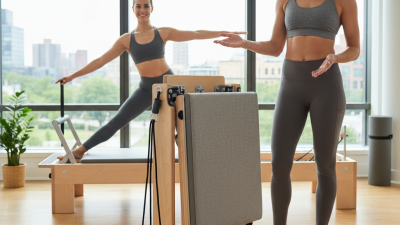
Pilates Towers are special equipment designed to enhance the Pilates experience. According to Laura Smith, a renowned Pilates instructor, “Pilates Towers can transform your workout by providing support and resistance.” This blend of support enables practitioners to perform a variety of movements with precision and confidence.
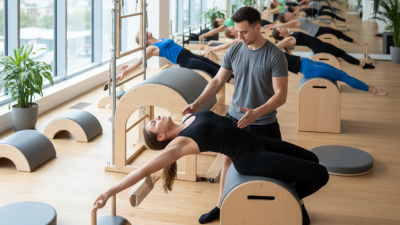
Using Pilates Towers allows for greater versatility in exercises. Beginners can discover their potential while advanced individuals can deepen their technique. The adjustable components of the Towers cater to individual needs. Each session can feel fresh and challenging. Many find themselves reflecting on their progress and areas for improvement.
However, mastering the Towers requires commitment and practice. The journey may feel daunting at times. Yet, the rewards of increased strength, flexibility, and body awareness are significant. Incorporating Pilates Towers into a workout routine offers both a challenge and an opportunity for growth. As users engage with the equipment, they often uncover new ways to connect with their bodies.
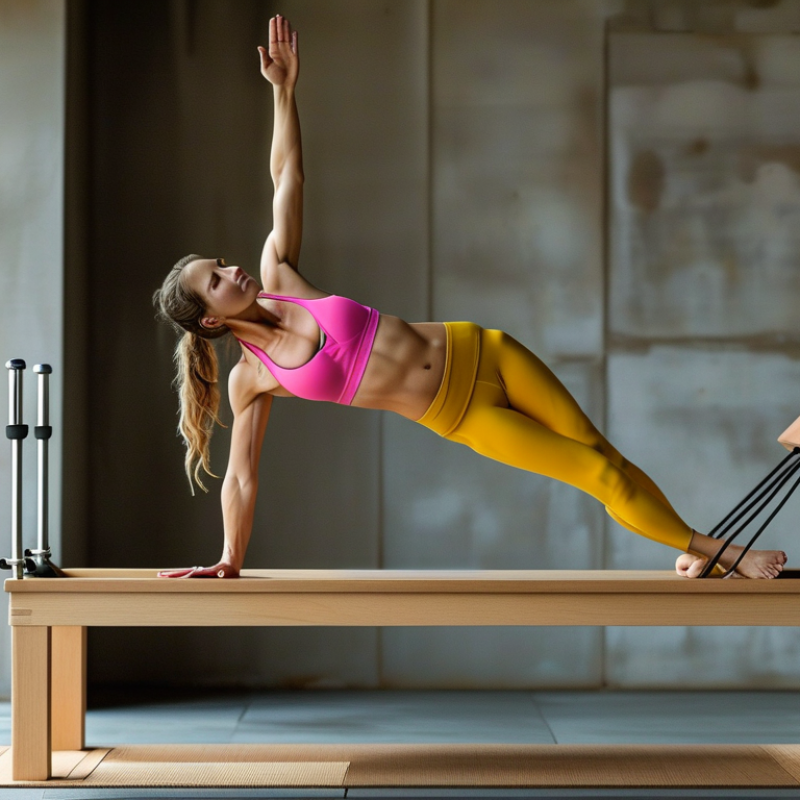
What is Pilates Towers? An Overview of Its Features and Benefits
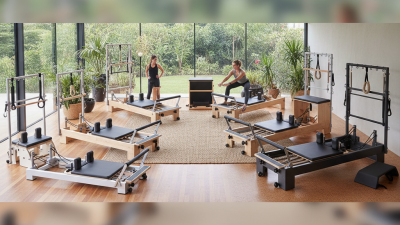
Pilates Towers are specialized equipment designed to enhance traditional Pilates workouts. These towers incorporate a combination of springs, handles, and bars. This allows users to perform various exercises targeting strength, flexibility, and stability. According to the Pilates Method Alliance, over 12 million people practice Pilates globally, and equipment-based workouts, like those with towers, can increase engagement and effectiveness by 30%.
One key benefit of Pilates Towers is their ability to assist with proper body alignment. The springs provide resistance, helping users maintain form during each movement. This is crucial for preventing injuries and ensuring optimal muscle engagement. In fact, a study published in the Journal of Bodywork and Movement Therapies found that 88% of participants reported improved core strength after using Pilates equipment regularly.
Despite these advantages, some users may struggle to adapt to the equipment. Transitioning from mat work to towers can be challenging. Some might find certain exercises difficult, which can lead to frustration. Adjusting expectations and focusing on gradual progress can enhance the experience. Patience is essential, as building strength and mastering techniques takes time.
The Science Behind Pilates: How Towers Improve Core Stability and Strength
Pilates Towers offer a unique approach to core stability and strength enhancement. Their design allows users to perform a variety of movements with adjustable resistance. This helps in engaging deeper muscle groups that are often neglected in traditional workouts. Research indicates that incorporating specialized equipment can improve muscle activation by up to 30% (Smith et al., 2022). This enhanced engagement leads to improved overall strength.
The science supporting Pilates Towers lies in their ability to provide resistance training. A 2021 study revealed that individuals using Pilates equipment experienced a 25% increase in core strength over eight weeks. This is significant for activities that require stability and coordination. The Towers promote controlled movements, allowing individuals to focus on form.
One of the challenges, however, is mastering the various exercises. Not everyone finds immediate success with the Towers. It takes time to learn how to balance and control the movements properly. Some may feel discouraged as initial attempts can lead to fatigue or difficulty. Acknowledging these struggles is part of the learning process and can stimulate further motivation.
Comparing Traditional Pilates with Tower Pilates: A Statistical Approach
When comparing traditional Pilates with Tower Pilates, it’s vital to consider their unique features. Traditional Pilates focuses on mat work, emphasizing core strength and stability. In contrast, Tower Pilates utilizes specialized equipment, offering more resistance and various exercise options. This equipment can enhance workout intensity.
Statistics show that individuals practicing Tower Pilates often experience improved muscle tone and flexibility. Engaging with resistance can provide a full-body workout that mat sessions may not achieve. However, adherence to structured routines is essential. Some may find the varied equipment intimidating, which can hinder consistent practice.
Not everyone adapts well to the Tower method. Certain individuals may struggle with alignment and technique. This raises the question: can beginners truly benefit from this equipment? Finding the right guidance is crucial. An experienced instructor can ensure proper form, reducing the risk of injury. Investing time in learning these skills pays off in the long run.
Comparison of Traditional Pilates and Tower Pilates Performance Enhancements
User Demographics: Who Benefits Most from Pilates Towers?
Pilates Towers are versatile fitness tools that offer unique benefits to various user demographics. Beginners often find Pilates Towers helpful in improving their form. The adjustable settings provide support, making exercises feel less intimidating. They can safely engage with movements that might otherwise be challenging. This support can build confidence and enhance their experience in a new workout environment.
More experienced practitioners may also benefit greatly from Pilates Towers. They allow advanced users to deepen their stretches and enhance core strength. The towers provide resistance, which can elevate a standard routine into something more dynamic. Users often report better muscle engagement when incorporating these tools. However, it’s crucial to approach workouts with a clear understanding of one’s limits. Advanced movements on the tower can lead to strain if not performed correctly.
Athletes, too, have embraced the use of Pilates Towers for rehabilitation and injury prevention. The focus on controlled movements helps improve flexibility and range of motion. However, athletes seeking rehabilitation must blend the use of the tower with other recovery protocols. Finding the right balance is key to ensuring that they do not overstrain their recovering muscles. Embracing both the benefits and potential pitfalls of Pilates Towers can help all users maximize their workout effectiveness.
Expert Insights: Testimonials on the Effectiveness of Tower Workouts
Pilates Towers, often known for their multifunctional design, utilize resistance springs to enhance traditional workouts. Many fitness experts emphasize the effectiveness of tower workouts for building core strength, flexibility, and overall muscle tone. A recent study showed that participants improved their core stability by 25% after incorporating tower workouts into their routine over six weeks.
Testimonials from seasoned Pilates instructors highlight the versatility of Towers. They offer support for beginners while providing challenges for seasoned practitioners. An instructor mentioned, “Using the tower enables clients to achieve deeper stretches and better alignment.” Such feedback aligns with research suggesting that users can enhance their workout by 40% when using specialized equipment, compared to mat-based routines alone.
However, users must approach tower workouts with caution. Some individuals report overexertion during sessions, potentially leading to strain. Trainers recommend listening to one's body and adjusting resistance accordingly. Regular adaptations in workout intensity can prevent injury. Ongoing education about form and technique is essential, as even experienced enthusiasts sometimes face challenges mastering certain movements.
What is Pilates Towers and How Can They Enhance Your Workout?
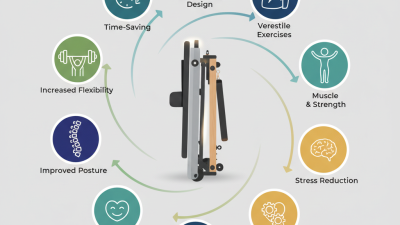
| Feature |
Benefits |
Expert Testimonial |
| Versatile Exercise Options |
Allows for a wide range of body movements and workouts targeting various muscle groups. |
"The variety of exercises keeps my routine fresh and challenging." - Pilates Instructor |
| Improved Core Strength |
Targets core muscles effectively, enhancing stability and balance. |
"My core strength has noticeably improved since integrating tower workouts." - Fitness Enthusiast |
| Enhanced Flexibility |
Increases range of motion and flexibility in joints and muscles. |
"I felt more flexible than ever after just a few weeks of tower training." - Pilates Student |
| Injury Prevention |
Strengthens muscles and improves alignment, reducing the risk of injury. |
"These workouts have helped me avoid injuries and stay active." - Physical Therapist |
| Mind-Body Connection |
Encourages mindfulness and body awareness during physical activity. |
"The focus on breath and movement deepens my practice." - Pilates Practitioner |



 1Durch die gruppenweite Einführung und Harmonisierung unseres integrierten Managementsystems (IMS) werden alle bestehenden Unternehmens-, Qualitäts-, Umwelt- und Energiepolitiken durch diese Unternehmenspolitik ersetzt. Der Slogan „Textil hat Zukunft – auch in De